
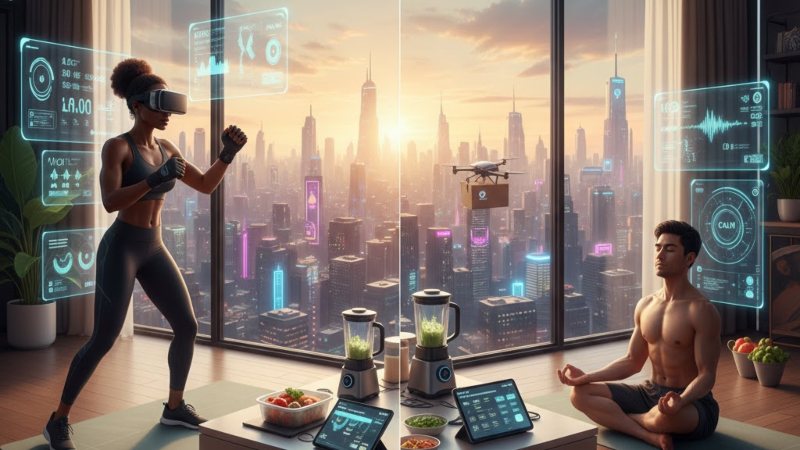
In 2026, Fitness and Active Lifestyle in 2026 is a key focus for maintaining health, energy, and longevity. With growing awareness about physical well-being, people are integrating exercise, nutrition, and smart technology into their daily routines to stay fit and active.
This guide explores strategies, tools, and tips to support an energetic and healthy lifestyle.
Importance of Regular Exercise
Regular physical activity is central to Fitness and Active Lifestyle in 2026. Cardio workouts, strength training, yoga, and Pilates improve heart health, muscle strength, flexibility, and overall fitness.
Home workout apps and online classes make it easier for individuals to maintain consistent routines without needing a gym. Wearable devices such as Apple Watch Series 9 track activity, calories, and heart rate to optimize workouts.
Combining Fitness with Technology
Fitness technology helps monitor progress and set personalized goals. Smart trackers, health apps, and AI-powered coaching platforms guide users on effective exercises, recovery periods, and nutrition.
Apps like MyFitnessPal and Strava encourage consistency and accountability in maintaining an active lifestyle.
Nutrition for Active Living
Balanced nutrition supports fitness goals. A diet rich in proteins, whole grains, fruits, and vegetables fuels energy and aids recovery. Hydration is equally important for maintaining performance during workouts.
Meal planning apps and online resources help create diet plans aligned with fitness objectives, making nutrition management simple and effective.
Outdoor Activities and Sports
Outdoor activities like hiking, cycling, swimming, and running provide both physical and mental benefits. They reduce stress, improve cardiovascular health, and increase energy levels.
Engaging in group sports or community fitness events also promotes social interaction and motivation, supporting a consistent active lifestyle.
Mental Well-Being and Fitness
Physical fitness is closely linked to mental wellness. Exercise reduces stress, enhances mood, and improves sleep quality. Mindfulness practices such as yoga and meditation complement physical activity, creating a holistic approach to well-being.
Platforms like Headspace provide guided meditation and mindfulness exercises to integrate mental health into fitness routines.
Setting Goals and Tracking Progress
Goal setting is essential for a sustainable Fitness and Active Lifestyle in 2026. Tracking progress using apps and wearable devices keeps motivation high and helps identify areas for improvement.
Short-term goals, such as daily step targets, and long-term goals, like running a marathon or improving strength, provide structure and achievement milestones.
Challenges in Maintaining an Active Lifestyle
Maintaining fitness can be challenging due to:
- Sedentary work routines
- Lack of time
- Motivation fluctuations
- Access to proper facilities
Solutions include short home workouts, active commuting, and integrating movement into daily tasks like taking stairs or walking breaks.
Tips for Success
To sustain an active lifestyle:
- Schedule workouts consistently
- Mix cardio, strength, and flexibility exercises
- Track progress using technology
- Prioritize rest and recovery
- Combine social activities with fitness for motivation
Consistent effort and variety help maintain long-term engagement and results.
Conclusion
Fitness and Active Lifestyle in 2026 is about combining physical exercise, balanced nutrition, mental well-being, and technology to achieve optimal health. By making conscious choices and integrating movement into daily life, individuals can enjoy increased energy, better health, and an overall improved quality of life.
Staying active in 2026 is not just about workouts—it’s about creating sustainable habits that support lifelong fitness and well-being.