
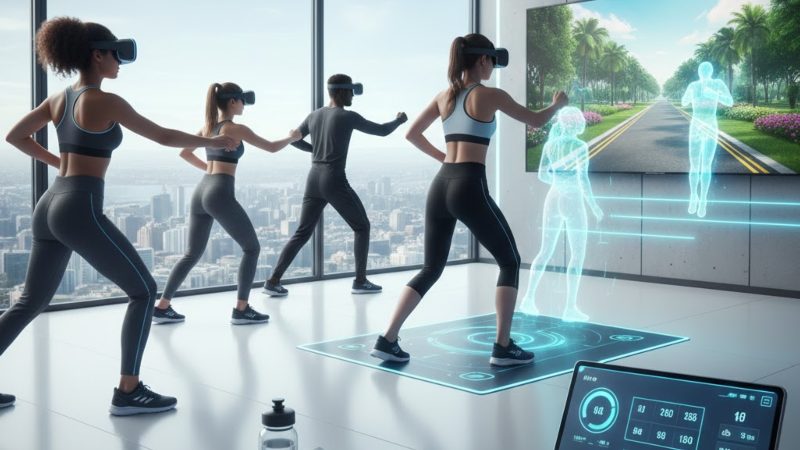
In 2026, Fitness and Exercise in 2026 has become an essential part of daily life for millions of people worldwide. With increasing awareness of health, technology-driven solutions, and innovative workout methods, staying physically active is easier and more effective than ever. Fitness is no longer limited to gyms; it is a holistic approach that improves physical health, mental well-being, and overall quality of life.
The Importance of Fitness
Regular physical activity helps maintain a healthy weight, strengthens muscles and bones, boosts immunity, and reduces the risk of chronic diseases such as diabetes, heart disease, and obesity. Mental health also benefits from exercise as it reduces stress, improves mood, and enhances cognitive function.
According to the World Health Organization, adults should engage in at least 150 minutes of moderate-intensity or 75 minutes of vigorous-intensity activity per week to maintain optimal health.
Popular Exercise Trends in 2026
In 2026, several exercise trends have gained popularity:
- High-Intensity Interval Training (HIIT): Short, intense bursts of activity followed by rest, known for boosting metabolism and improving cardiovascular health.
- Yoga and Pilates: Mind-body exercises that improve flexibility, balance, and mental focus.
- Functional Training: Movements that mimic everyday activities to enhance strength and mobility.
- Virtual Fitness Classes: Online workouts that allow participation from home with professional instructors.
Platforms like Peloton and FitOn offer live and on-demand workouts, making fitness accessible to people with busy schedules.
Wearable Technology and Fitness
Wearable devices have revolutionized Fitness and Exercise in 2026. Smartwatches and fitness trackers monitor heart rate, calories burned, steps taken, sleep patterns, and even stress levels.
Devices like Fitbit and Apple Watch provide real-time feedback, personalized workout recommendations, and goal tracking. These insights help individuals stay motivated and adjust their routines for maximum results.
Outdoor Activities and Functional Fitness
Outdoor activities such as cycling, running, hiking, and swimming are gaining popularity. These exercises improve cardiovascular health, strengthen muscles, and provide mental clarity.
Functional fitness focuses on practical strength and mobility, helping individuals perform daily tasks with ease. Combining resistance training, bodyweight exercises, and flexibility routines ensures comprehensive physical development.
Fitness for Mental Health
Exercise is strongly linked to mental health. Activities like yoga, meditation, and cardio workouts reduce anxiety, depression, and stress. Physical activity triggers the release of endorphins, which enhance mood and improve mental clarity.
Apps like Headspace and Calm complement fitness routines by incorporating mindfulness practices, promoting overall wellness.
Home Workouts and Accessibility
Home workouts have become mainstream due to convenience, affordability, and flexibility. With online platforms and digital equipment, people can follow personalized routines without visiting a gym.
Bodyweight exercises, resistance bands, and compact home gym systems allow effective workouts at home. Fitness apps provide structured programs, progress tracking, and community support for motivation.
Nutrition and Exercise
Proper nutrition enhances the effectiveness of Fitness and Exercise in 2026. A balanced diet provides energy, supports muscle growth, and aids recovery. Proteins, complex carbohydrates, healthy fats, and micronutrients are essential for optimal performance.
Supplements like whey protein, vitamins, and minerals can complement a healthy diet. Platforms like MyFitnessPal help track meals, calories, and nutrient intake, aligning nutrition with fitness goals.
Preventing Injuries
Injuries can hinder fitness progress. Proper warm-up, stretching, correct form, and gradual progression in intensity are critical to staying safe. Fitness professionals emphasize recovery techniques, including foam rolling, mobility exercises, and adequate rest.
Smart wearables can detect unusual movements, helping users avoid overtraining and injuries.
Community and Social Motivation
Fitness communities encourage consistency and accountability. Group classes, online forums, and fitness challenges build motivation and provide peer support.
Platforms like Strava allow users to track workouts, share achievements, and compete with friends, fostering engagement and commitment.
The Future of Fitness in 2026
The future of Fitness and Exercise in 2026 is driven by technology, personalization, and holistic wellness. AI-driven workouts, virtual reality fitness, and data-backed training programs will become more common.
Integration of wearable devices, nutrition tracking, and mental health tools will provide a complete approach to health and wellness. Fitness will not just be about physical strength but about overall lifestyle improvement.
Conclusion
Fitness and Exercise in 2026 is more accessible, personalized, and technology-driven than ever before. Regular physical activity improves health, enhances mental well-being, and increases quality of life.
By combining structured workouts, proper nutrition, mindfulness practices, and modern technology, individuals can achieve sustainable fitness and live healthier, more balanced lives.