
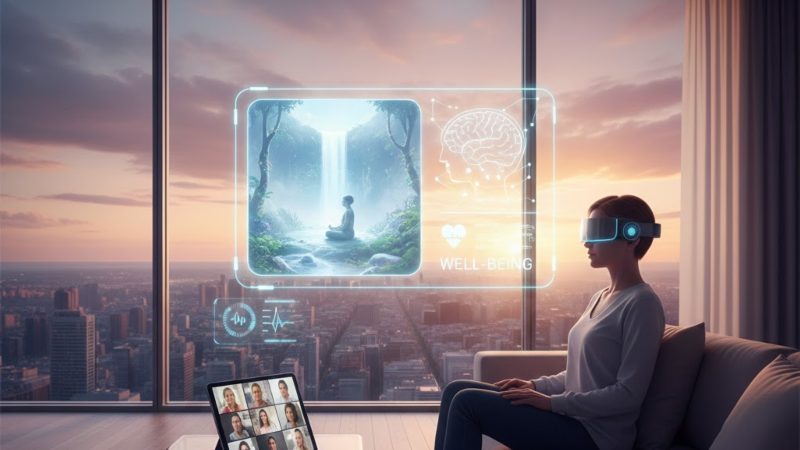
In 2026, Mental Health in 2026 has become a central focus for individuals and organizations worldwide. With increasing stress, digital overload, and fast-paced lifestyles, mental well-being is more important than ever. Maintaining mental health is not just about addressing problems—it is about building resilience, emotional balance, and overall life satisfaction.
Understanding Mental Health
Mental health encompasses emotional, psychological, and social well-being. It affects how people think, feel, and act in their daily lives. Good mental health allows individuals to cope with stress, work productively, and maintain healthy relationships.
The stigma around mental health has decreased significantly in 2026. Awareness campaigns and educational programs emphasize that seeking help is a sign of strength, not weakness. Organizations, schools, and communities are actively promoting mental well-being.
Technology and Mental Health
Technology plays a dual role in Mental Health in 2026. While excessive screen time can increase stress and anxiety, digital tools are also providing new ways to support mental well-being.
Apps like Headspace and Calm offer guided meditation, mindfulness exercises, and sleep assistance. AI-powered chatbots provide support and early screening for mental health conditions.
Teletherapy platforms like BetterHelp connect individuals with licensed therapists online, making professional help accessible from anywhere.
Workplace Mental Health
Mental health is a priority in modern workplaces. Companies implement wellness programs to reduce stress and improve employee satisfaction. Flexible schedules, remote work options, and mental health days are now common practices.
Organizations encourage open communication and provide resources for counseling and stress management. This not only improves productivity but also builds a healthier, more supportive work environment.
Stress Management Techniques
Managing stress is key to maintaining Mental Health in 2026. Techniques like mindfulness, deep breathing, yoga, and journaling are widely practiced.
Digital platforms provide daily prompts, guided exercises, and progress tracking. For example, apps like Insight Timer offer meditation sessions, courses, and community support for stress reduction.
Physical activity also plays a role in mental wellness. Regular exercise reduces cortisol levels, improves mood, and promotes better sleep.
Therapy and Counseling
Professional therapy remains an essential part of Mental Health in 2026. Cognitive Behavioral Therapy (CBT), group therapy, and online counseling are effective tools for managing anxiety, depression, and other mental health issues.
Teletherapy platforms reduce barriers like transportation and scheduling conflicts. Individuals can access licensed therapists from the comfort of their homes, ensuring continuous support.
Social Connection and Support
Social connections are vital for mental well-being. Strong relationships with family, friends, and communities reduce stress and promote emotional stability.
Online support groups, forums, and communities like 7 Cups provide peer support and emotional guidance. Connecting with others who share similar experiences fosters a sense of belonging and reduces isolation.
Mindfulness and Meditation
Mindfulness practices are increasingly important for Mental Health in 2026. Meditation helps individuals focus on the present moment, reduce negative thoughts, and enhance self-awareness.
Regular mindfulness practice improves emotional regulation and overall life satisfaction. Schools, workplaces, and wellness centers are integrating mindfulness programs to support mental health.
Sleep and Mental Health
Quality sleep is closely linked to mental well-being. Poor sleep contributes to anxiety, depression, and cognitive difficulties. Tracking sleep patterns with wearable devices helps individuals improve their rest.
Healthy sleep routines, reducing screen exposure before bed, and practicing relaxation techniques contribute to better mental health outcomes.
Challenges in Mental Health
Despite growing awareness, challenges remain. Access to mental health care is still limited in many regions. Social stigma, financial constraints, and lack of education prevent some individuals from seeking help.
Addressing these challenges requires collaboration between governments, healthcare providers, and communities. Public awareness campaigns and policy reforms play a key role in expanding access to mental health resources.
The Future of Mental Health in 2026
The future of Mental Health in 2026 is promising. Emerging technologies like AI-driven diagnostics, virtual reality therapy, and digital mental health platforms will enhance treatment and accessibility.
Personalized mental health solutions, combining technology, therapy, and lifestyle practices, will become more common. Early detection, preventive measures, and integrated care will improve overall mental wellness worldwide.
Conclusion
Mental Health in 2026 is more than a personal concern—it is a societal priority. By combining technology, professional support, mindfulness, and social connection, individuals can achieve emotional resilience and a higher quality of life.
Proactive mental health practices ensure that people can thrive in the modern, fast-paced world, balancing stress, productivity, and overall well-being.