
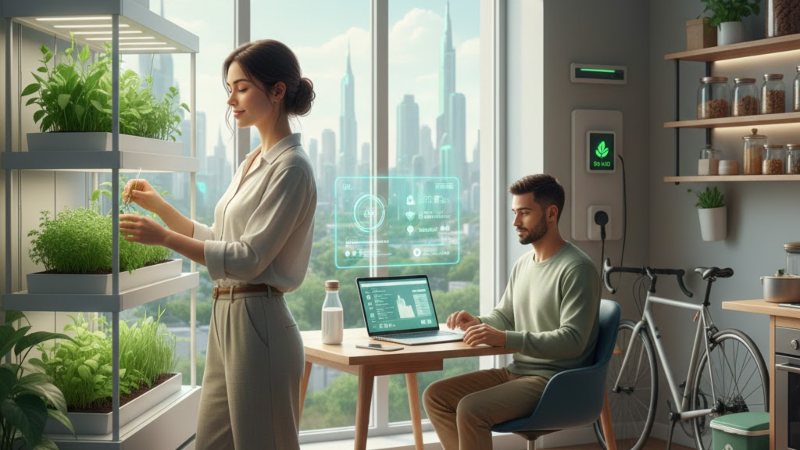
In 2026, Sustainable Lifestyle and Eco-Friendly Living in 2026 have become essential for people who want to reduce their environmental impact while improving their quality of life. Conscious choices in daily habits, energy use, food, and consumption define modern eco-friendly lifestyles.
Adopting sustainable practices not only protects the planet but also promotes personal well-being and financial savings.
Eco-Friendly Home Practices
Homes in 2026 are designed with sustainability in mind. People are adopting energy-efficient appliances, LED lighting, and smart thermostats to reduce energy consumption.
Smart home devices like Nest Thermostat help monitor energy use and maintain optimal temperatures while saving on electricity bills. Recycling, composting, and reducing single-use plastics are common eco-friendly practices.
Sustainable Fashion
Sustainable clothing is trending in 2026. Consumers are choosing ethically produced garments made from organic or recycled materials. Brands like Patagonia and Allbirds lead the way in eco-conscious fashion.
Buying fewer, high-quality items and supporting second-hand stores reduces environmental waste and promotes responsible consumption.
Green Transportation
Reducing carbon emissions is a major lifestyle shift. Electric vehicles, bicycles, and public transportation are preferred alternatives to traditional fuel-based transport.
Companies like Tesla and e-bike providers are making sustainable commuting accessible and affordable for everyone. Carpooling and hybrid transport options also contribute to eco-friendly mobility.
Sustainable Eating Habits
Food choices play a significant role in eco-friendly living. Plant-based diets, locally sourced produce, and organic foods reduce carbon footprints.
Meal planning and minimizing food waste are also important. Apps and online guides help individuals track consumption, reduce waste, and make sustainable choices.
Conscious Water Usage
Water conservation is a critical part of Sustainable Lifestyle and Eco-Friendly Living in 2026. Efficient plumbing, rainwater harvesting, and mindful daily water use reduce waste and support environmental sustainability.
Smart irrigation systems for gardens, low-flow faucets, and responsible water practices are now widely adopted.
Minimalism and Mindful Consumption
Minimalist lifestyles emphasize purchasing only what is necessary. Reducing clutter, avoiding unnecessary gadgets, and reusing or repurposing items contribute to a sustainable lifestyle.
Mindful consumption also encourages supporting local businesses and ethical brands, benefiting both communities and the environment.
Community and Social Responsibility
Sustainability in 2026 extends to communities. People participate in local clean-up drives, tree planting, and awareness campaigns. Collective action amplifies the impact of eco-friendly practices.
Platforms and social networks allow sharing tips, collaborating on green projects, and inspiring others to adopt sustainable habits.
Challenges in Eco-Friendly Living
Despite the benefits, adopting sustainable lifestyles can be challenging due to:
- Higher initial costs of eco-friendly products
- Limited availability of sustainable options
- Habit change resistance
Awareness, gradual adoption, and prioritizing impactful changes make eco-friendly living achievable and sustainable in the long run.
Conclusion
Sustainable Lifestyle and Eco-Friendly Living in 2026 focus on conscious decisions in home management, fashion, transportation, diet, and community involvement. By embracing sustainable practices, individuals can reduce environmental impact, improve personal well-being, and lead a responsible, balanced life.
Sustainability in 2026 is about making everyday choices that benefit both people and the planet.