
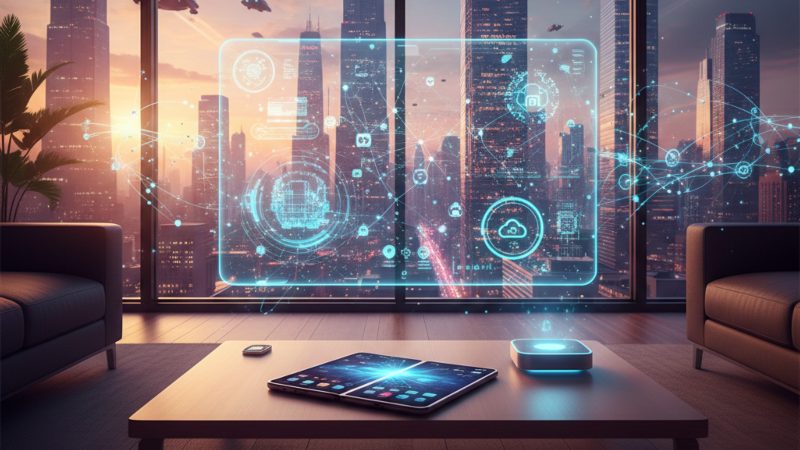
The Future of Technology in 2026: How Innovation Is Changing Our Daily Life
In today’s fast-moving world, technology is not just a luxury anymore — it has become a basic need. From smartphones in our hands to smart devices in our homes, technology is shaping the way we live, work, and communicate. In 2026, the tech industry is growing faster than ever before. New inventions are not only making life easier but also smarter and more efficient.
In this article, we will explore how modern technology is transforming different areas of life and what we can expect in the near future.
1. Artificial Intelligence Is Everywhere
One of the biggest revolutions in technology is Artificial Intelligence (AI). AI is no longer limited to science fiction movies. Today, it is being used in mobile apps, websites, healthcare systems, banking, and even education.
AI helps machines learn from data and make decisions like humans. For example, chatbots can answer customer questions instantly. Streaming platforms suggest movies based on your previous choices. Online stores recommend products according to your interests.
In 2026, AI is becoming more powerful and more accurate. Businesses are using AI to analyze customer behavior, improve marketing strategies, and increase productivity. In healthcare, AI helps doctors diagnose diseases early and provide better treatment.
2. The Rise of Smart Homes
Smart homes are becoming more common around the world. Devices like smart lights, smart thermostats, and voice assistants are changing how we control our homes. With just a voice command or a mobile app, you can turn off lights, adjust room temperature, or even lock your doors.
Companies like Google and Amazon are leading the smart home market with their advanced voice assistants and automation systems.
Smart homes not only provide comfort but also improve energy efficiency. Smart devices can monitor electricity usage and help reduce unnecessary power consumption. This not only saves money but also protects the environment.
3. 5G and Faster Internet Connectivity
Internet speed has improved significantly over the past few years. With the introduction of 5G technology, downloading large files, streaming high-quality videos, and playing online games have become smoother than ever.
5G offers faster speed, lower latency, and better connectivity. It supports modern technologies like virtual reality (VR), augmented reality (AR), and smart cities. In 2026, many countries are expanding their 5G networks to provide better services to users.
Faster internet also supports remote work and online education. People can attend meetings, join online classes, and collaborate with teams worldwide without interruptions.
4. Growth of Cloud Computing
Cloud computing is another important technology trend. Instead of storing data on physical devices, people and companies now store their data online in the cloud. This makes data access easier and more secure.
Major companies like Microsoft and Amazon Web Services provide cloud services that allow businesses to store large amounts of data and run applications smoothly.
Cloud computing reduces hardware costs and increases flexibility. It also supports remote work because employees can access files from anywhere in the world.
5. The Evolution of Smartphones
Smartphones have become more advanced with each passing year. Modern smartphones now have powerful processors, high-quality cameras, and advanced security features like face recognition and fingerprint scanning.
Brands like Apple and Samsung continue to introduce innovative features in their devices. Foldable phones, AI-powered cameras, and long-lasting batteries are some of the latest trends.
In 2026, smartphones are not just communication devices. They are used for online banking, shopping, gaming, content creation, and even business management.
6. Cybersecurity in the Digital Age
As technology grows, cybersecurity becomes more important. With more people using online services, the risk of cyberattacks also increases. Hackers target personal data, bank accounts, and business information.
To protect data, companies are investing heavily in cybersecurity systems. Multi-factor authentication, encryption, and advanced firewalls are being used to keep information safe.
Users are also becoming more aware of online safety. Strong passwords, two-factor authentication, and secure browsing habits are now essential in the digital age.
7. The Impact of Technology on Education
Technology has changed the education system dramatically. Online learning platforms allow students to study from home. Virtual classrooms, digital assignments, and online exams are becoming common.
Students can access global courses, watch recorded lectures, and learn new skills through online platforms. This makes education more flexible and accessible.
Teachers also use digital tools to create interactive lessons. Technology helps improve communication between teachers, students, and parents.
8. Remote Work and Digital Businesses
After the global shift towards remote work, many companies now operate fully online. Digital communication tools, project management software, and video conferencing apps have made remote work easier.
Technology allows freelancers and entrepreneurs to start online businesses with low investment. E-commerce stores, blogging websites, and digital marketing agencies are growing rapidly.
This digital transformation has opened new career opportunities for people worldwide.
9. Future Technologies to Watch
Looking ahead, several technologies are expected to grow even more:
- Artificial Intelligence and Machine Learning
- Blockchain technology
- Augmented Reality (AR) and Virtual Reality (VR)
- Internet of Things (IoT)
- Electric and self-driving vehicles
These technologies will continue to reshape industries and improve efficiency in different sectors.
Conclusion
Technology in 2026 is more powerful, accessible, and integrated into daily life than ever before. From AI-driven systems to smart homes and cloud computing, innovation is transforming the way we live and work.
The future of technology looks promising. However, it is important to use technology wisely and responsibly. While it brings comfort and convenience, we must also focus on security, privacy, and ethical use.
As technology continues to evolve, one thing is certain: it will remain a central part of our lives, shaping the world for generations to come. for more visit our site